February 5th – Journal Entry:
“Internalizing betrayal….
When there’s no answer that makes sense, you rationalize the lies and deceit to make it make sense in your mind…
It gnaws at your heart and soul…
You blame yourself…
Until there’s nothing left except a shell of a human…
Desperate to walk away…
Desperate to be enough…
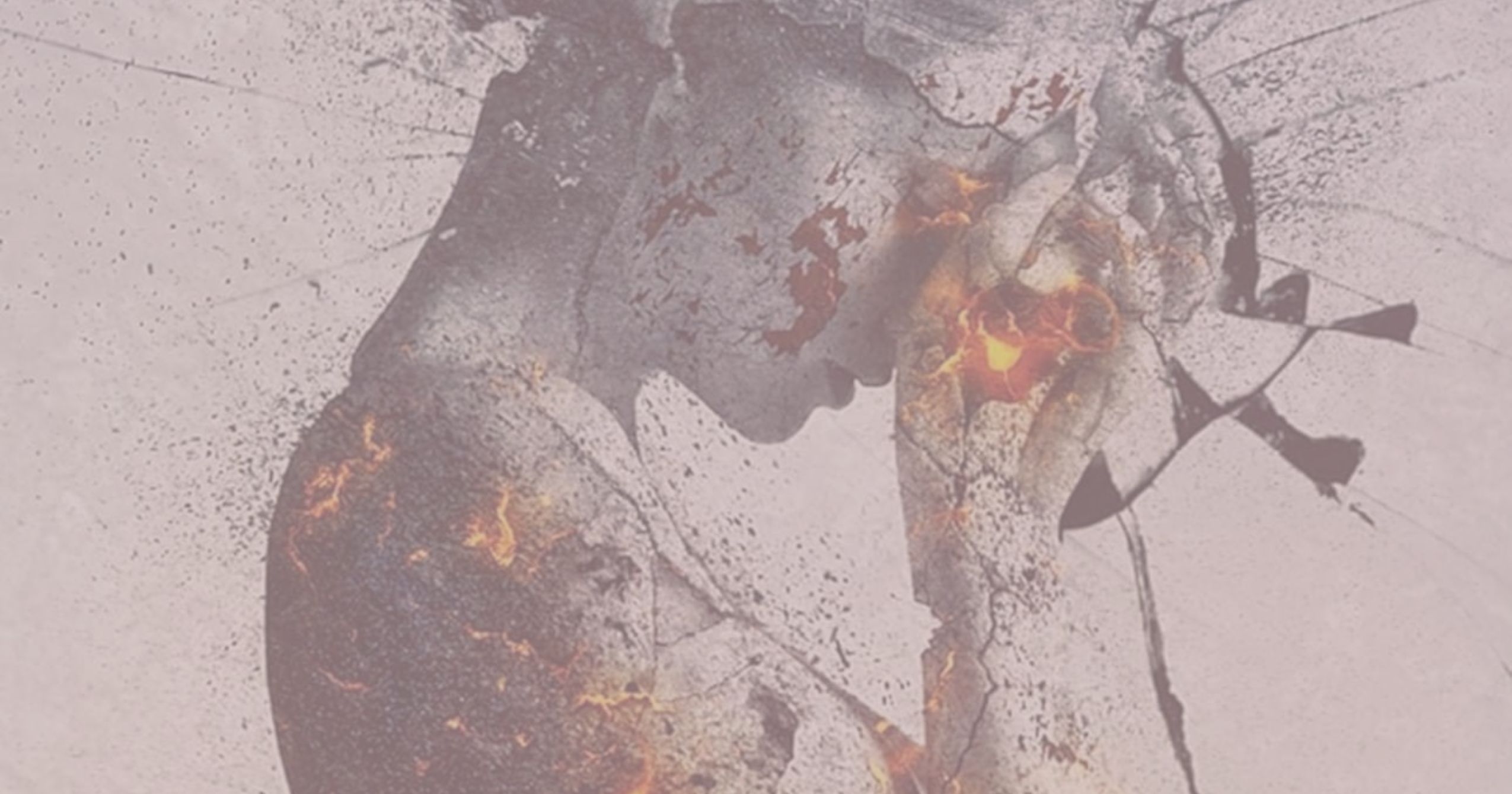
But in the end there’s nothing but the fragile pieces and ash from the burned house of cards.
Sad. Tragic. All consuming…
In the end poetic…
Because when the time is right…
When it’s all said and done…
You realize you were never the ashes…
But a Phoenix that must rise.”
There’s a unique kind of heartbreak when betrayal crashes into your life. It doesn’t just bruise; it devastates. It carves itself into the deepest parts of who you are. And if you’re not careful, it convinces you to bear the weight of its shame.
Suddenly, you’re standing at a crossroads—torn between holding on to the fragments of what once was or releasing yourself from the suffocating grip of deceit.
Betrayal has a way of making you question everything you thought you knew. There’s no clear answer, no logical explanation that soothes the ache. You replay every moment, every conversation searching for the overlooked signs, the hidden clues, the reasons why. But those reasons never come. You twist the lies into something you can live with. Telling yourself it had to be this way, even though it wasn’t fair. The lies become rationalized, softened, reframed—anything to make it all make sense. But deep down, you know. You feel the weight of that deceit gnawing at your heart. Eroding the trust you had in yourself, making you doubt what you’ve always known to be true.
It doesn’t make sense. It never does.
Internalizing the Pain: When Betrayal Becomes Your Burden
I know what it’s like to carry the weight of betrayal as if it were your own failure. You convince yourself that if you had been different, better, more, it wouldn’t have happened. But it did. And with each unanswered question, the weight grows heavier, pressing down until you feel like you can’t breathe.
The gnawing doubt eats away at your confidence, your sense of self, until all that’s left is a hollow shell of who you once were. You start to wonder if you’ll ever be enough—if you’ll ever find solid ground in the midst of the wreckage. It’s as if you’re trapped in an endless loop. Replaying the what-ifs and should-haves, searching for some semblance of control over a situation that never belonged to you.
Betrayal isn’t just a moment; it’s a slow burn. It’s the tightening of shackles that wrap themselves around your heart, making you question every decision, every desire, every truth you thought you knew. It’s the house of cards you built so carefully, now nothing but ash and dust. It’s sad. It’s tragic. It’s all-consuming.
And here’s the devastating truth: Internalizing the betrayal will only keep you trapped in its shadow. Preventing you from ever accepting what is truly meant for you. The longer you hold on, the more the poison seeps into your spirit. Anger starts to replace joy, anxiety fills the spaces once held by trust, and suspicion becomes a constant companion. You find yourself resenting even the small, beautiful moments because they remind you of what you’ve lost. The weight of betrayal doesn’t just damage you externally—it ruins you from the inside out. Slowly eroding your sense of self and possibility until you’re left grasping for air in a life that feels suffocating.
The Lure of False Redemption: Holding Onto Fragile Hope
In the aftermath, you might find yourself clinging to the tiniest glimmers of hope. The apologies that come too late. The remorse that feels just a little too practiced. The slivers of tenderness that draw you back when you swore you’d walked away for good. There’s an addictive rush that comes with the possibility of repair… A dopamine hit that keeps you tethered to the very thing that’s breaking you.
You wait for the waves of reassurance to crash over you, to bring with them the promise of change. There’s a seductive comfort in the chaos. A strange beauty in the cycle of pain and passion that feels almost poetic. It’s the push and pull, the ebb and flow, the sensation that keeps you standing on that shore, even as the tide threatens to drag you under.
With each wave, you convince yourself it’s not too late—that maybe this time will be different. You hold on to the fragile hope that redemption is just one more chance away. But each wave leaves you gasping, desperate for air, and wondering if you’re losing yourself to the current.
But here’s the hardest truth of all: Staying bound to betrayal doesn’t just break your own heart. It breaks the hearts of those who never betrayed you. The ones who love you honestly. Who wait for you to see your worth beyond the pain. Who want to pull you into a safer shore where trust isn’t a weapon but a bond. It’s the collateral damage of holding onto someone who’s already let you go.
The Moment of Release: Shattering the Shackles of Betrayal
The turning point doesn’t come with a grand gesture or a dramatic revelation. It arrives in quiet moments—the kind that slip into your soul like the warmth of the first morning light. It’s the realization that you no longer need to search for answers in someone else’s lies. It’s choosing to break free from the shackles of betrayal, to lay down the burden that was never yours to carry.
Releasing yourself isn’t about forgiveness for the person who caused you pain. It’s about reclaiming the pieces of yourself they tried to steal. It’s about surrendering the need for closure and choosing instead to create your own ending. A story where you are the heroine, not a victim.
You begin to understand that betrayal was never a reflection of your worth, but of theirs. You start to feel the strength growing in places you once felt broken. You find the courage to walk away, not because you’re giving up, but because you’re rising above.
Rising from the Ashes: A Phoenix’s Journey of Rebirth
The aftermath of betrayal is a messy, tangled web, and it’s not a straight line to healing. It’s raw, and it’s painful, and some days it feels like you’re taking two steps back for every one step forward. But each stumble is part of the process, each misstep a reminder that you’re still standing. Choosing yourself isn’t easy, but it’s worth it, even when the waves keep crashing, even when the scars still sting.
As you stand amidst the ashes, there’s a power in acknowledging that your story isn’t over. The ruins aren’t the end; they are the beginning. They are the fertile soil from which something new will grow. You don’t need to rush the process—healing doesn’t have a timeline. But know this: you were never the ashes. You were always the embers, waiting to catch fire. You were always the Phoenix, holding the potential for something fierce and unbreakable to rise.
There is a part of you, deep within, that knows what it feels like to burn and to rise. To be both the broken and the healer. To be lost and found in the same breath. It’s not about perfection; it’s about embracing the imperfect journey of becoming. The flames didn’t destroy you—they transformed you, revealing a strength that only comes from surviving the fire. You were never meant to stay in the ashes; you were always destined to rise above them.
Reclaiming Your Story: From Survival to Empowerment
Breaking free from betrayal isn’t just about surviving—it’s about thriving. It’s about standing in the light of your truth, unburdened by the lies you were told to believe. It’s about daring to be vulnerable again, not because you’re naïve, but because you’re strong enough to trust yourself. You are not the broken pieces left behind by someone else’s choices. You are the one who chose to rise from them, who saw the ashes as an opportunity to reclaim your power.
Letting go of the story someone else wrote for you means rewriting your own. One that honors your strength, your resilience, your power. You are more than the betrayal you endured. You were never the ashes left in the wake of someone else’s lies. You were always the Phoenix, destined to rise and defy.